
Classroom Environment
A calm, welcoming place to learn.
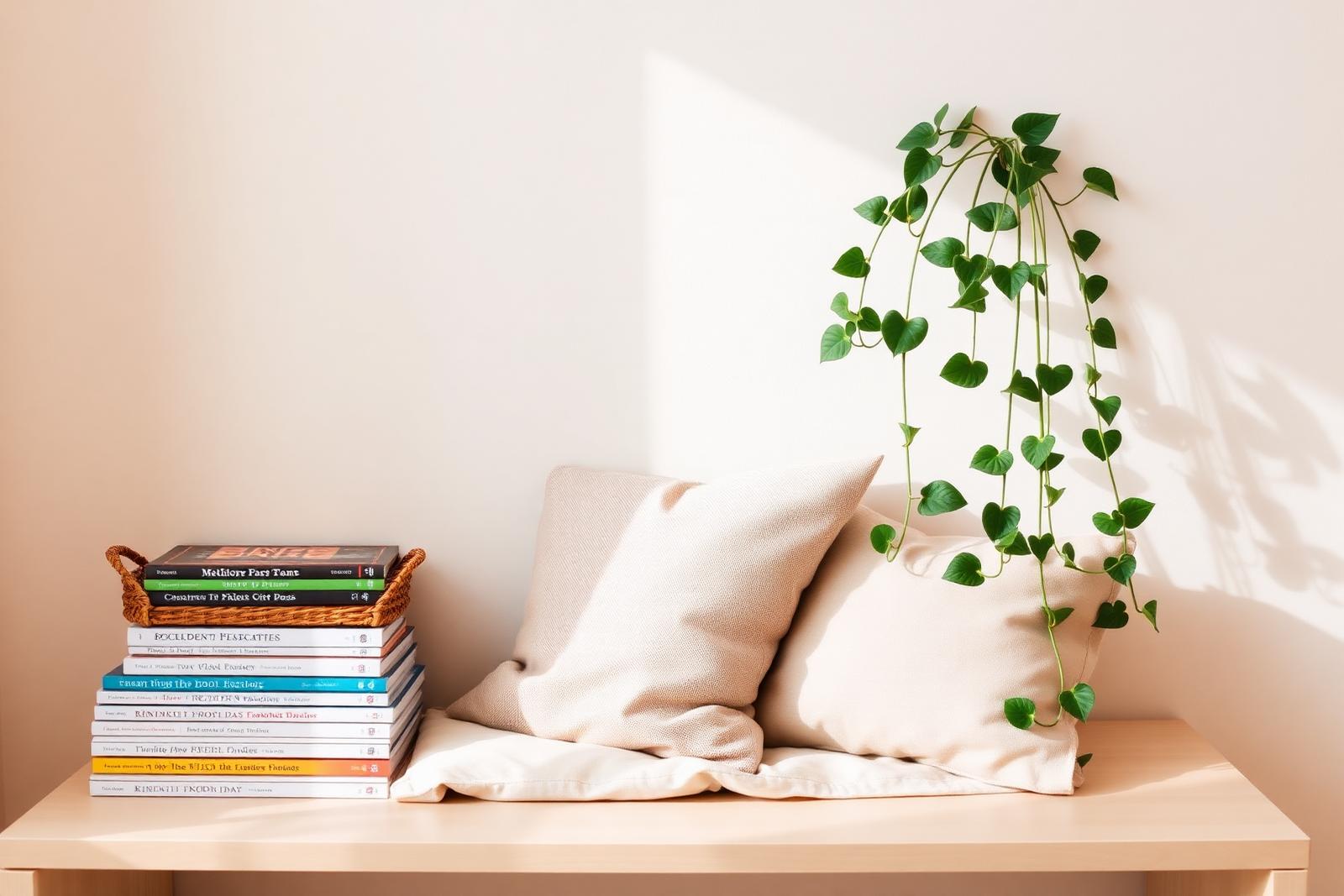
My classroom is designed so that students can walk in, exhale, and be ready to engage.

Positive behavior supports
I set my classroom up so that the "right" behavior is the easiest behavior. Clear routines, gentle transitions, and consistent language help students know what to expect and how to succeed. When something goes off track, I look at the environment before I look at the student.
Visual schedules
Every student benefits from knowing what is coming next. I use visual schedules — both whole-class and individualized — so students can anticipate transitions, prepare for changes, and feel a sense of agency over their day.
Flexible seating
Bodies learn in different ways. I offer a range of seating options — stability stools, floor cushions, standing spots, and traditional desks — so students can choose where their body works best while their mind is at work.
Calm spaces
Every classroom I run has a designated calm corner. It is not a punishment area. It is a quiet, softly lit place where a student can regulate, reset, and rejoin the group when they are ready.
Sensory supports
Noise-reducing headphones, fidgets, weighted lap pads, textured seating, and dimmable lighting are part of my baseline setup. Sensory supports are tools, not privileges — I offer them openly so students learn to use them without stigma.
Student choice
I build choice into as much of the day as I can. Choice over seating, choice over how to show learning, choice over which text or task to start with. Choice grows ownership.
Universal Design for Learning (UDL)
I plan with UDL as my starting point: multiple means of engagement, representation, and expression. Instead of designing for the "average" learner and retrofitting for everyone else, I design for variability from the beginning.
Inclusive practices
Every student belongs in the shared learning community. I keep language, visuals, examples, and celebrations broad and affirming, so that students of every background, ability, and identity see themselves reflected in the room.
Growth mindset
I talk about learning as a process, not a scoreboard. Effort, strategy, and coming back after a hard try are named and celebrated out loud. Over time, students start using that language for themselves.
Community building
Morning meetings, shared jobs, celebrations, and simple rituals help my classroom feel like a small community rather than a room full of individuals. Belonging is not a bonus skill; it is the ground everything else grows in.